
Why Does My Furnace Keep Turning On and Off? What Short-Cycling Means for Heating Repair
October 15, 2026
A furnace that clicks on, runs for a minute or two, then shuts off again can be frustrating to live with. This pattern is called short-cycling, and it's one of the most common reasons homeowners start searching for heating repair in Seattle once the weather cools down.
While the cause is sometimes simple, short-cycling often indicates a problem that requires attention from a heating and furnace repair team.
What Is Furnace Short-cycling?
Short-cycling happens when a furnace turns on and off more often than it should, without completing a full heating cycle. Instead of running long enough to warm the home evenly, the system stops early and starts again soon after.
How a Normal Heating Cycle Works
When your thermostat senses that the temperature has dropped below its setting, it signals the furnace to start. The burners ignite, the heat exchanger warms up, and the blower pushes warm air through your ductwork. Once the home reaches the set temperature, the furnace shuts off and rests until heat is needed again.
A healthy system runs in steady, predictable cycles. When those cycles become very short and frequent, something is interrupting the process.
Signs Your Furnace Is Short-cycling
Short-cycling isn't always obvious at first. Watch for these warning signs:
- The furnace runs for only a few minutes before shutting off
- The system restarts shortly after turning off
- Some rooms feel warm while others stay chilly
- The home never quite reaches the temperature on the thermostat
- Your energy bills are higher than usual for the season
Common Reasons Your Furnace Keeps Turning On and Off
Several issues can cause short-cycling, from simple fixes to problems that need a trained technician.
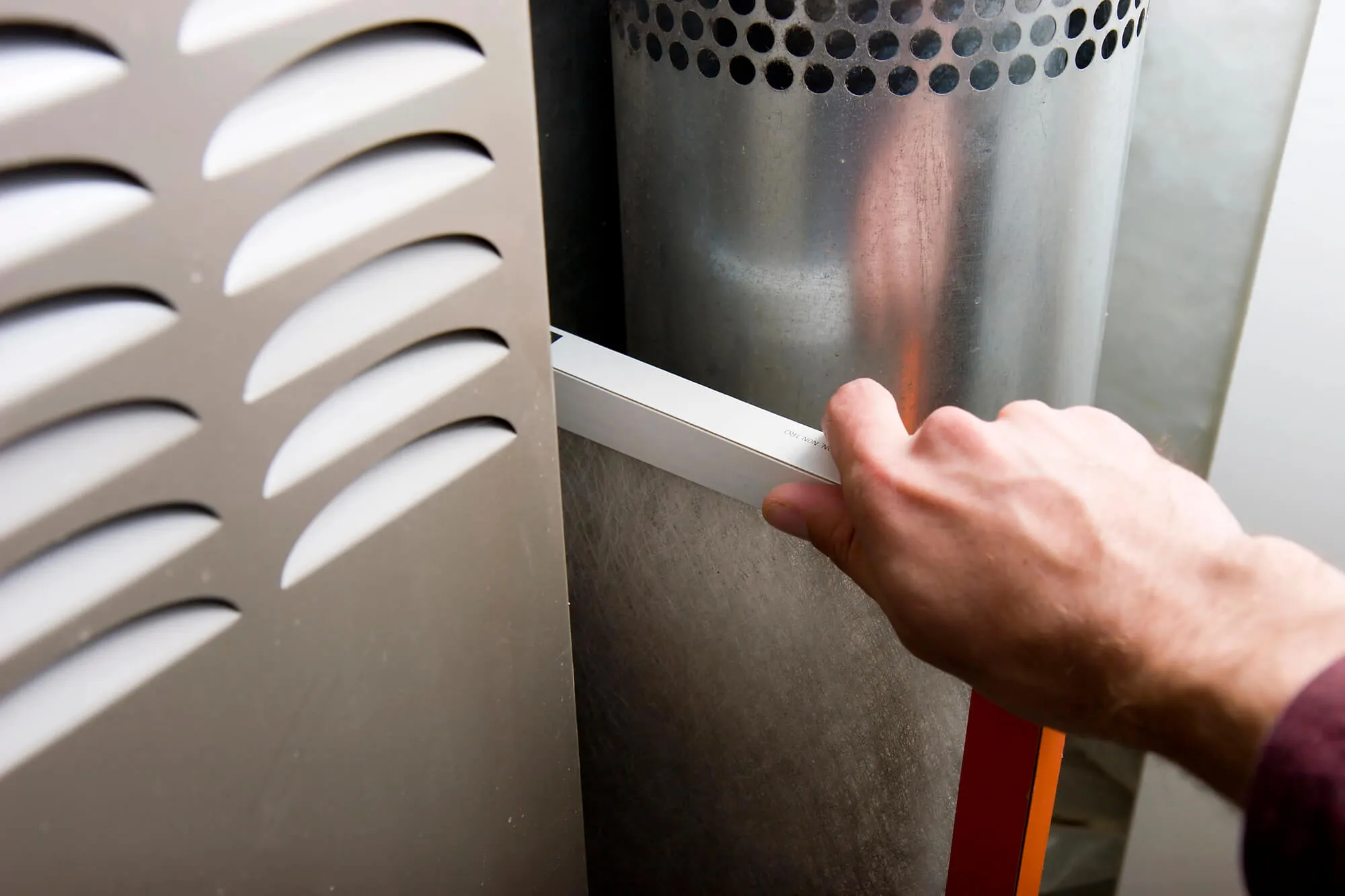
A Clogged Air Filter
A dirty filter is one of the most frequent culprits. When airflow is restricted, heat builds up inside the furnace. A safety device called the high-limit switch then shuts the burners off to prevent overheating, and the cycle repeats once things cool down. The ENERGY STAR maintenance checklist recommends checking your air filter every month, especially during heavy use.
Thermostat Problems
Your thermostat controls when the furnace runs, so a small issue here can throw off the entire system. Common thermostat-related causes include:
- Low or dying batteries
- Loose or damaged wiring
- A thermostat installed near a heat source, like a sunny window or kitchen
- An older unit that no longer reads temperatures accurately
A thermostat that misreads your home's temperature may stop the furnace too early.
A Dirty Flame Sensor
The flame sensor confirms that the burners have lit. Over time, it can collect a thin layer of buildup that keeps it from detecting the flame. When that happens, the furnace shuts down as a safety precaution, then tries again. This problem often shows up alongside other issues covered in our post on signs your furnace needs maintenance.
Blocked Vents or Exhaust Pipes
Closed supply registers, blocked return vents, or furniture placed over vents can all limit airflow. High-efficiency furnaces also rely on intake and exhaust pipes, which can become obstructed by debris or even small animals. Any of these blockages can cause the system to overheat or trigger a safety shutoff.
A Furnace That's Too Big for Your Home
An oversized furnace heats the space so quickly that it reaches the thermostat setting before completing a normal cycle. It then shuts off, the temperature drops, and the process starts again. ENERGY STAR's guidance on HVAC quality installation notes that proper sizing plays a key role in comfort and efficiency. If your furnace was installed without a careful load calculation, sizing may be the root of the problem.
Why Short-Cycling Shouldn't Be Ignored
A furnace that still produces some heat may seem fine, but short-cycling tends to create bigger issues over time.
Extra Wear on Key Parts
Each time your furnace starts, components like the igniter, blower motor, and control board go through extra strain. Frequent starts and stops speed up that wear, which can lead to breakdowns in the middle of a cold snap. We cover this pattern in more detail in our article about how small heating problems become big repairs.
Higher Energy Bills
Frequent restarts are less efficient than steady, full heating cycles. When a furnace restarts repeatedly, it burns more fuel or electricity without keeping your home consistently comfortable. ENERGY STAR's tips for heating and cooling efficiently highlight how a well-functioning system helps keep heating costs manageable throughout the season.
Potential Safety Concerns
Repeated overheating can stress the heat exchanger over time. A damaged heat exchanger may allow combustion gases to escape, which is why regular inspections and functioning carbon monoxide detectors are so important. If you notice unusual odors, soot, or a yellow flame, turn off the system and call a professional right away.
What You Can Check Before Calling a Technician
A few quick checks can rule out simple causes and help your technician narrow down the issue.
Safe Checks to Try at Home
- Replace the air filter if it looks gray or dusty
- Put fresh batteries in the thermostat
- Make sure all supply and return vents are open and unblocked
- Look for snow, leaves, or debris around outdoor intake and exhaust pipes
- Confirm the thermostat is set to "heat" and not placed near a heat source
When to Leave It to a Professional
If the furnace keeps short-cycling after these checks, it's time to bring in an expert. Cleaning flame sensors, testing limit switches, inspecting heat exchangers, and evaluating furnace sizing all require specialized tools and training. Our NATE-certified technicians can find the cause and recommend the right fix.
If your system is older and struggling, our guide on furnace lifespan and replacement can help you weigh your options.
Frequently Asked Questions
How Often Should a Furnace Turn On and Off?
It depends on the weather, your home's insulation, and the size of your system. A furnace naturally runs more often on colder days. The key warning sign is cycles lasting only a few minutes that recur constantly.
Can Short-cycling Damage My Furnace?
Yes. Frequent starts and stops put extra wear on important components, which can shorten your system's life and lead to costlier repairs.
Will a New Furnace Fix Short-Cycling?
Only if the problem is related to sizing or an aging system. In many cases, a repair or cleaning solves the issue. If replacement makes sense, our heating installation services include matching the right-sized system to your home.
Can Regular Maintenance Prevent Short-Cycling?
Routine maintenance helps catch many common causes early, including dirty flame sensors, clogged filters, and airflow issues. Our furnace tune-up services include professional cleaning, adjustments, and safety checks to keep your system running smoothly. Scheduling a tune-up each fall, before the heating season starts, gives our technicians a chance to spot small problems before they turn into costly midwinter breakdowns.
Get Reliable Heating Repair in Seattle from Greenwood Heating
A furnace that keeps turning on and off is trying to tell you something. Catching the cause early can help you avoid bigger repairs and keep your home comfortable all winter.
Greenwood Heating and Home Services has served homeowners throughout King and Snohomish counties since 1918. Our team offers 24/7 emergency service and a 100% satisfaction guarantee, so you can feel confident your home is in good hands. If your furnace is short-cycling, contact our heating team to schedule an appointment today.