Why Does My Water Heater Run Out of Hot Water So Fast?
October 15, 2026
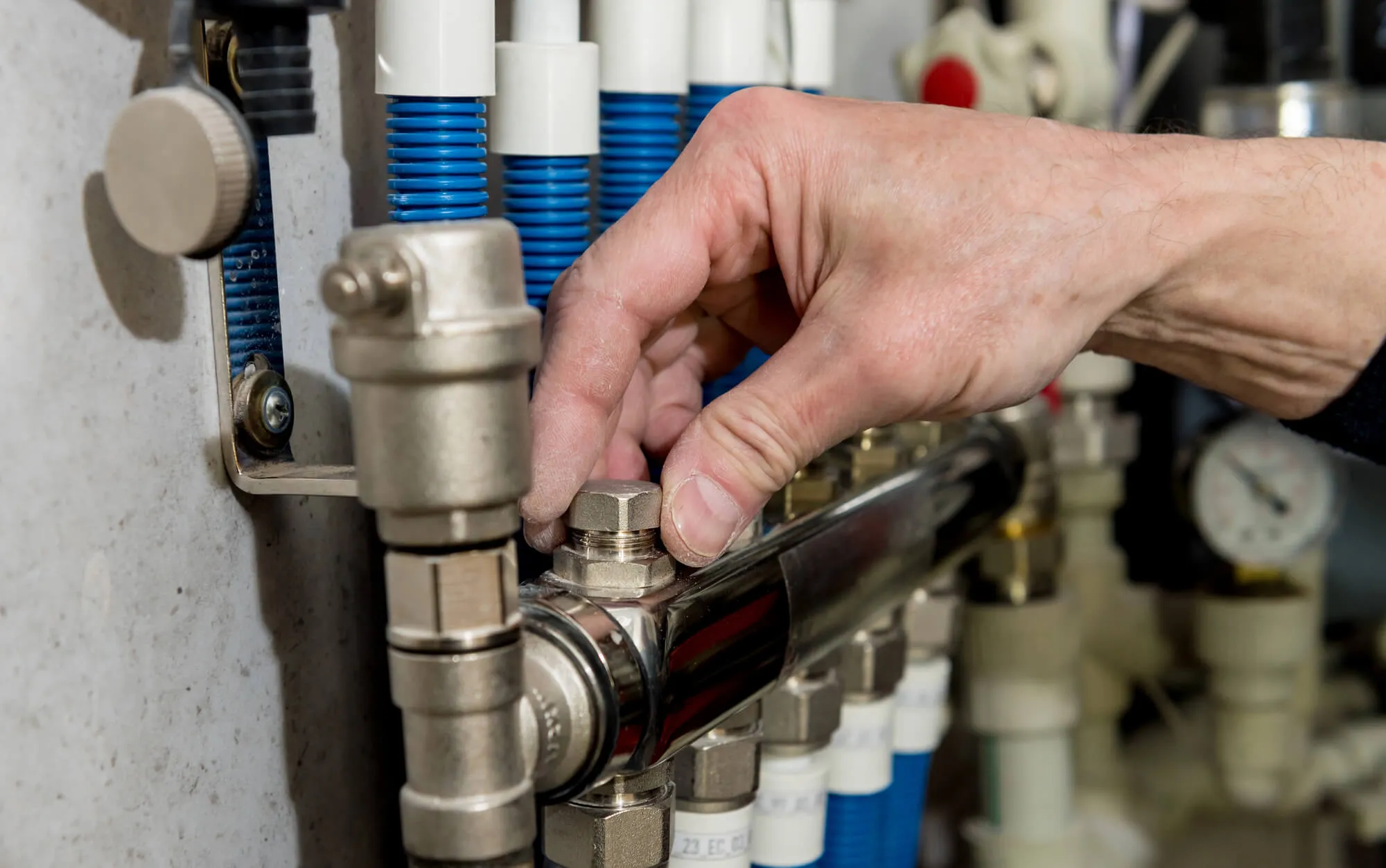
Few things ruin a morning faster than a shower that turns cold halfway through. If your hot water disappears sooner than it used to, your water heater is likely telling you something has changed. When you know the common causes, it's easier to tell whether your water heater in Seattle needs a simple adjustment or professional water heater service to get your household's hot water back on track.
Some causes are easy to fix at home, while others point to worn parts, hidden leaks, or a system that no longer fits the way your household uses hot water.
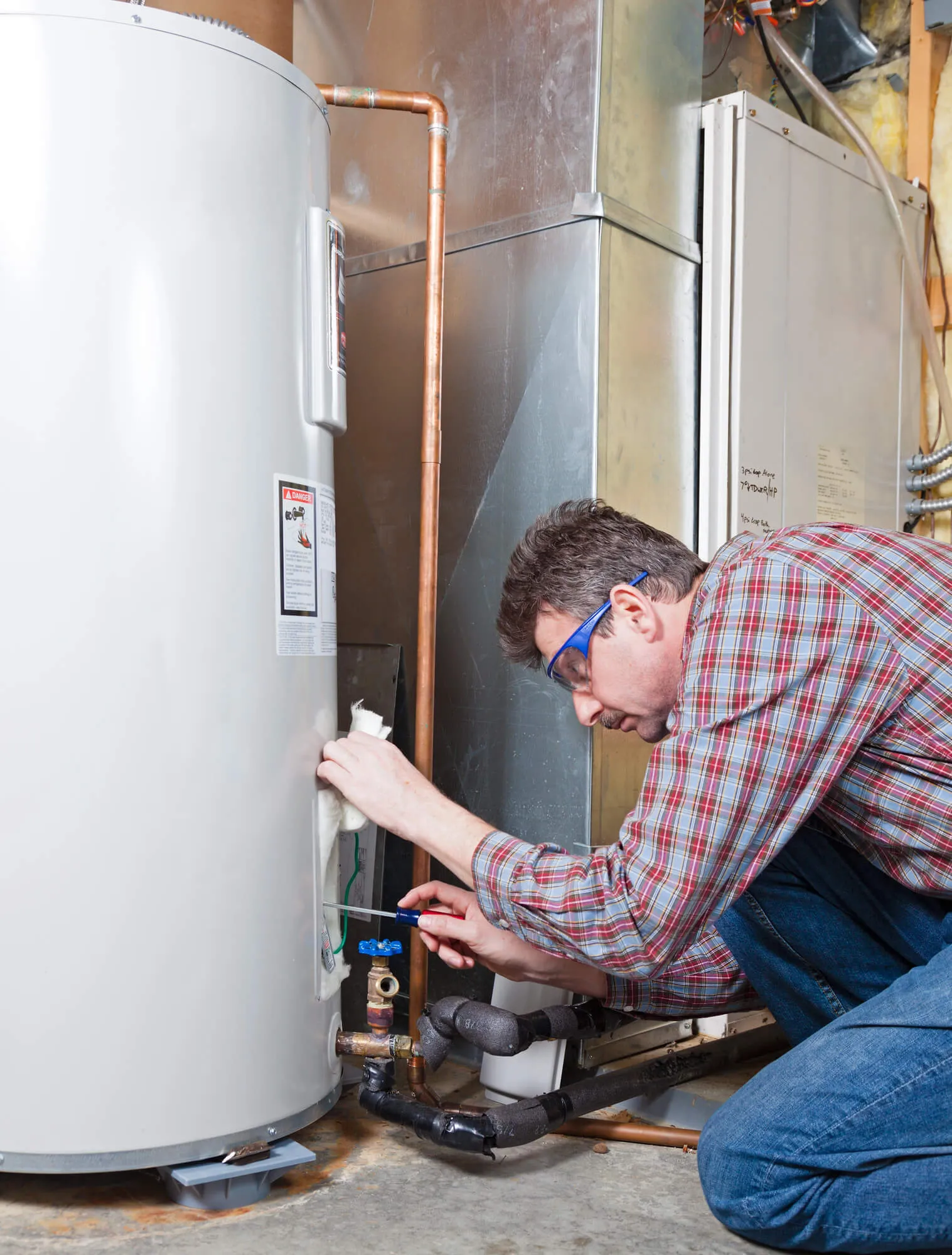
How Your Water Heater Delivers Hot Water
Understanding how your system works makes it easier to spot where things go wrong and why. Most homes use either a traditional tank model or a tankless unit, and each one heats and delivers hot water quite differently.
Why Tank Size and Recovery Time Matter
A tank water heater stores a set amount of heated water, usually somewhere between 30 and 80 gallons. When you turn on a hot tap, water flows from the top of the tank while cold water enters through the bottom to be heated.
Once you use up the stored supply, you have to wait for the tank to reheat, which is known as recovery time.
How Tankless Systems Are Different
A tankless unit heats water as it flows through, so it doesn't run out the same way a tank does. Instead, it has a limit on how much hot water it can produce at once. If several fixtures run at the same time, the water may turn lukewarm because the unit can't keep up with the demand.
Common Reasons Your Hot Water Runs Out Quickly
A shrinking hot water supply usually comes down to a handful of issues. Some develop slowly over time, while others appear suddenly.
Your Household Has Outgrown the Tank
A tank that worked well for two people may struggle when your family grows or when guests stay over. More showers, laundry loads, and dishwasher cycles can drain the supply faster than it can recover. If your hot water needs have changed, the tank may simply be too small.
Sediment Has Built Up Inside the Tank
Minerals in your water settle at the bottom of the tank over time. This layer of sediment takes up space meant for water and makes it harder for heat to reach the water above it. Flushing the tank is one of the simple water heater maintenance tips that can help restore capacity and efficiency.
The Dip Tube Is Broken
The dip tube carries cold water to the bottom of the tank. If it cracks or breaks, cold water mixes with the hot water near the top, where your taps draw from. You may notice lukewarm water shortly after turning on the tap, or small bits of plastic in your faucet aerators.
A Heating Element or Burner Isn't Working Properly
Electric water heaters usually have two heating elements. When the upper or lower element fails, the tank heats only part of its water, which cuts your supply short. Gas models can have similar trouble when the burner, thermocouple, or gas valve isn't working as it should.
The Thermostat Setting Is Too Low
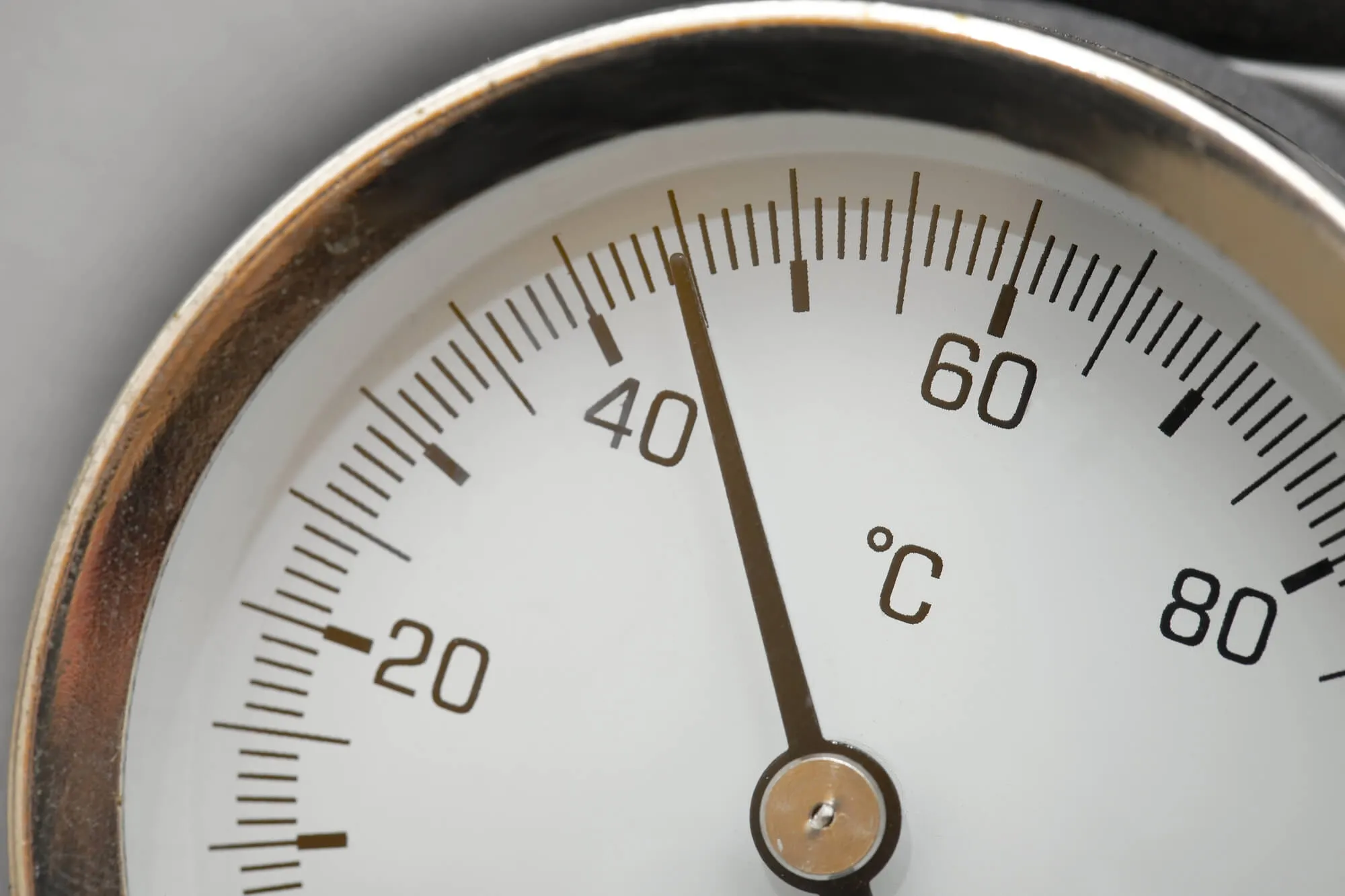
Sometimes the fix is simple. A thermostat set too low produces water that cools quickly once it mixes at the tap. Most households find that a setting of 120 degrees Fahrenheit offers plenty of hot water while helping reduce the risk of scalding, especially in homes with young children or older adults.
Colder Weather Is Affecting Performance
Seattle winters bring colder incoming water, which means your water heater has to work harder to reach the same temperature. A system that performs well in summer may fall behind once temperatures drop. This is especially noticeable in older units or tanks that are already close to their limit.
Hot Water Is Escaping Somewhere
A leak in a hot water line, a dripping faucet, or a running fixture can drain your supply without you noticing. Signs like damp spots, higher water bills, or the sound of running water may point to hidden plumbing leaks that need attention.
Simple Ways to Make Your Hot Water Last Longer
While some problems require repairs, small changes to your routine can help you get more from your current system.
Spread Out Your Hot Water Use
Running the dishwasher, washing machine, and shower at the same time puts a heavy demand on your water heater. Staggering these tasks gives the tank time to recover between uses. You can also run laundry on cold when possible, since many detergents work well at lower temperatures.
Upgrade to Water-Efficient Fixtures
Low-flow fixtures use less hot water without sacrificing comfort. WaterSense-labeled showerheads use no more than 2.0 gallons per minute, which helps your hot water supply stretch further during busy mornings.
Keep Up with Routine Care
Regular flushing, anode rod checks, and inspections help your system run at full capacity. Tank and tankless models need different kinds of care, and understanding tankless vs. traditional maintenance helps you keep either type in good shape.
Pairing this with general home plumbing maintenance can prevent many problems before they start.
Frequently Asked Questions
How Long Should a Tank of Hot Water Last?
It depends on your tank size and how you use hot water. A 40- or 50-gallon tank typically covers several short, back-to-back showers for a small or mid-sized household. If your supply runs out faster than it used to, and your routine hasn't changed, sediment buildup, a failing element, or a broken dip tube may be reducing its usable capacity.
Can I Fix a Water Heater That Runs Out of Hot Water Myself?
You can safely check the thermostat setting, look for leaks, and stagger your hot water use. Tasks like replacing heating elements, dip tubes, or gas components involve electricity, gas, and pressurized water, so a licensed plumber is usually the safer choice for your home. Professional repairs also help protect your warranty and reduce the chance of leaks or other damage.
Is It Better to Repair or Replace My Water Heater?
A repair often makes sense for a newer unit with a single failed part, like a heating element. If your water heater is older, leaking, or needs frequent repairs, knowing the signs it's time to replace can help you decide with confidence. A replacement gives you the chance to choose a size and style that better matches your current household.
Would a Different Type of Water Heater Solve the Problem?
It might help. A larger tank adds more stored capacity, while a tankless unit delivers continuous hot water as long as its flow limit isn't exceeded. Heat pump water heaters are another efficient option for many Seattle homes. The right choice depends on your household size, available space, fuel type, budget, and how much hot water you use at once.
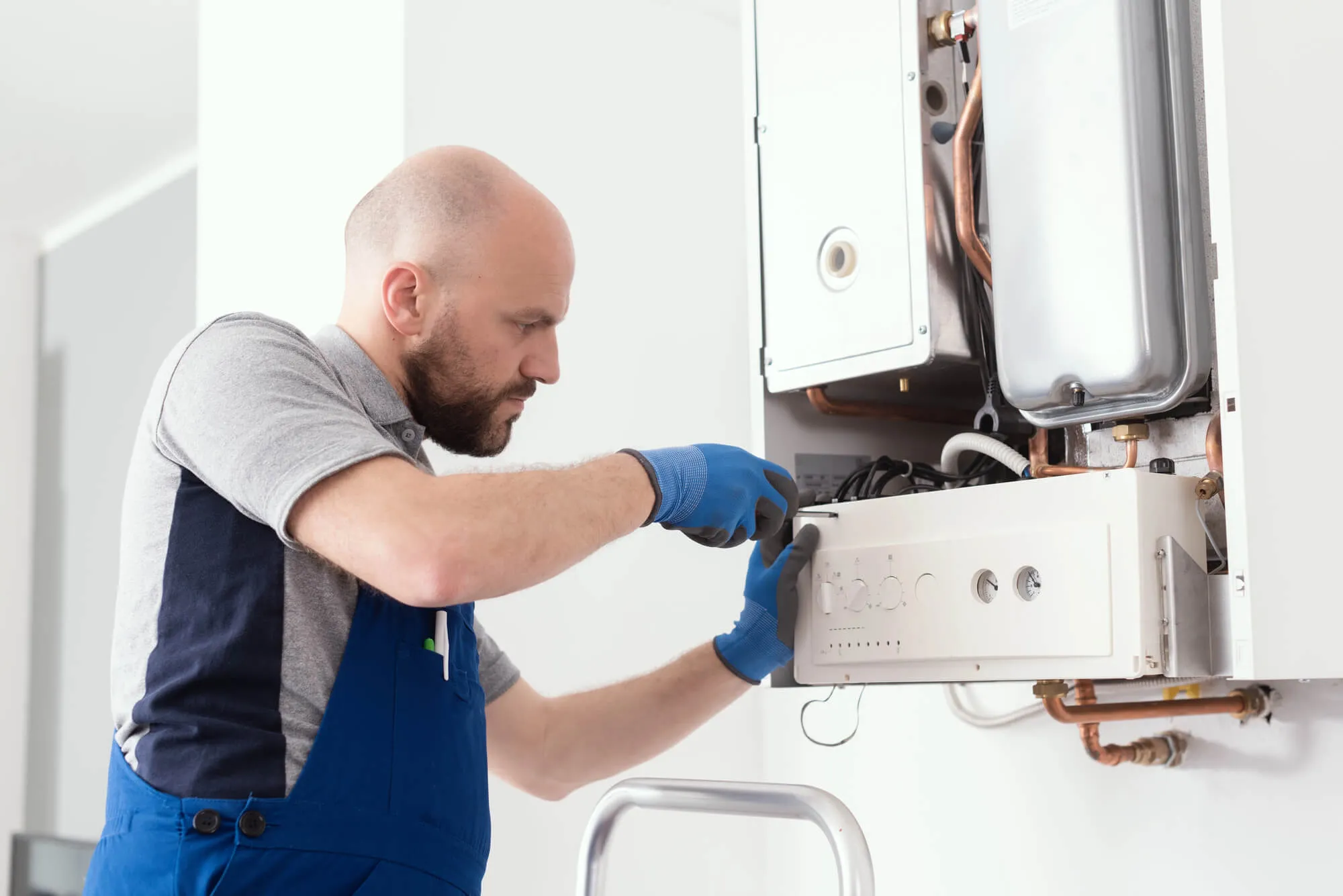
Trust Greenwood Heating with Your Water Heater in Seattle
Running out of hot water is frustrating, but the cause is often easy to pinpoint with the right help. Whether your system needs a repair, a thorough flush, or a replacement that better fits your household, Greenwood Heating and Home Services can help.
Serving the Greater Seattle area since 1918, our licensed team works with homeowners throughout King and Snohomish counties and offers 24/7 emergency service and a 100% satisfaction guarantee.
From tank and tankless systems to heat pump models, our technicians handle installation, maintenance, and repairs. Contact Greenwood Heating today to schedule water heater service for your home.
Want to read more from Greenwood Heating?
Save us as a Preferred Source!
Need an installation, repair, or
simply want an expert's opinion?