Will Boiling Water Fix My Clogged Drain in Seattle?
September 20, 2026
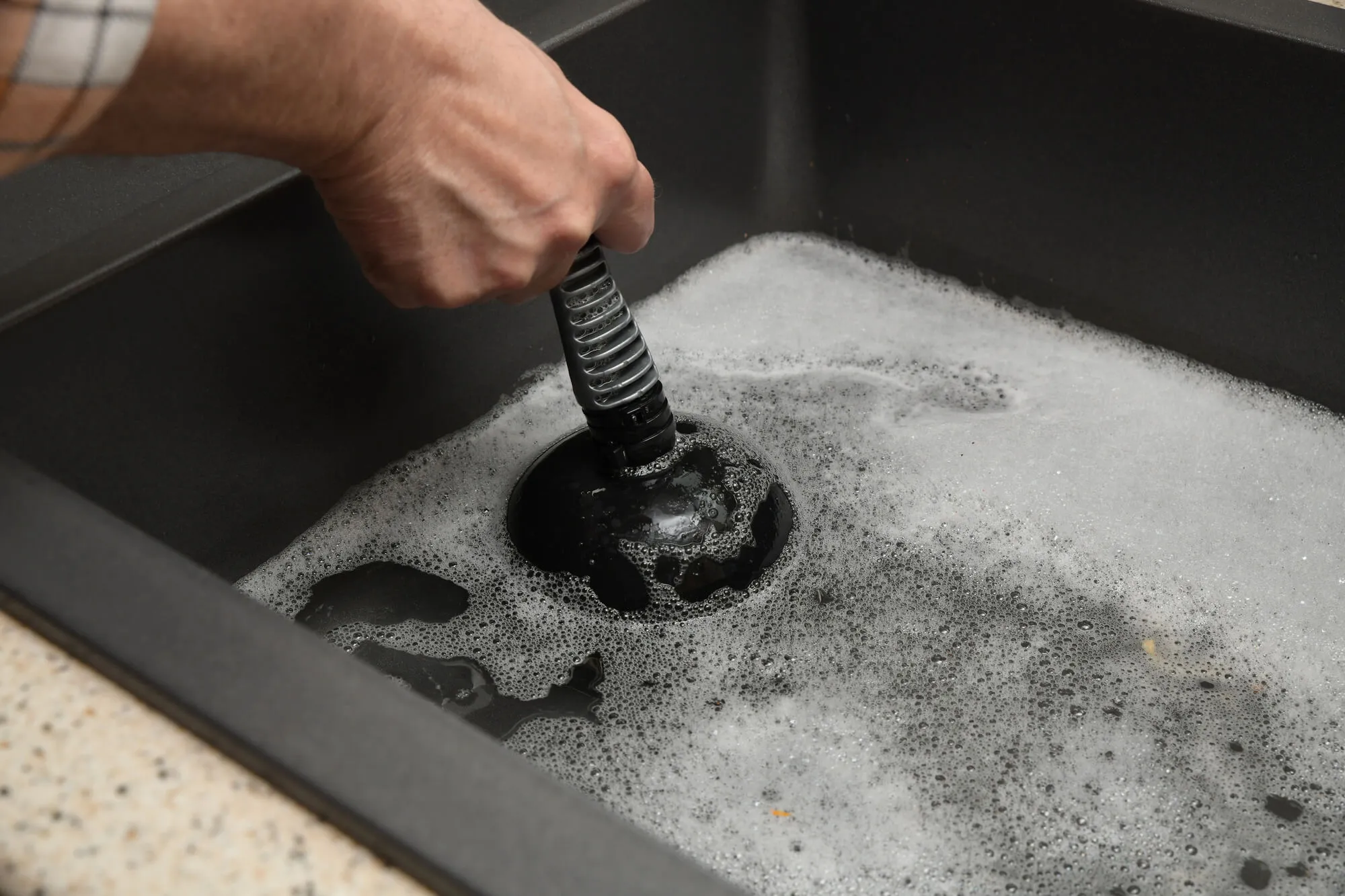
Your sink was draining normally yesterday, but now water sits in the basin and disappears at a frustratingly slow pace. Before reaching for a plunger or calling a plumber, you may wonder whether a kettle of boiling water could clear the blockage. It sounds simple, but the answer depends on what caused the clog and what your plumbing is made of. If you need to fix a clogged drain in Seattle, knowing when hot water may help and when another approach is needed can save you from making the problem worse.
Can Boiling Water Clear a Clogged Drain?
Hot water can sometimes loosen certain materials inside a drain, but boiling water is not appropriate for every clog or plumbing system. Blockages can consist of grease, soap residue, hair, food particles, mineral deposits, foreign objects, or combinations of these.
Pipe material also matters. Some plastic piping has temperature limitations below the boiling point. A metal drain opening does not necessarily mean the pipes farther along the system are also metal.
Before pouring boiling water into a slow drain, consider what may be causing the blockage and whether high temperatures are appropriate for your plumbing.
Why Hot Water Sometimes Appears to Work
A slow kitchen drain may contain grease, oils, soap, or other residue coating the pipe. Hot water can temporarily soften some materials, allowing water to pass more freely.
That does not necessarily mean the blockage is gone.
Seattle Public Utilities warns that hot water and soap do not prevent fats, oils, and grease from causing plumbing problems. Grease can travel farther while warm, then cool and adhere to pipe surfaces.
A drain that flows faster immediately after adding hot water may still contain the material responsible for the slowdown.
Boiling Water Is Different From Hot Tap Water
Water straight from a boiling kettle or pot is considerably hotter than normal household hot water. Depending on the plumbing material, exposing drainage components to very high temperatures may exceed their temperature limitations.
Homes can also contain several types of piping installed during different renovations. If you do not know what your drainpipes are made from, using boiling water as a routine clog-clearing method may not be appropriate.
Grease Clogs Need More Than Heat
Cooking grease is particularly deceptive because heat changes its consistency. Warm grease may flow easily, but it can cool and accumulate farther inside the drainage system.
This is why fats, oils, and grease should not be poured into household drains. Allow the cooking grease to cool, then follow local disposal guidance instead.
Learning about the common causes of clogged drains can also help homeowners recognise why different blockages require different approaches.
Hair and Soap Buildup Behave Differently
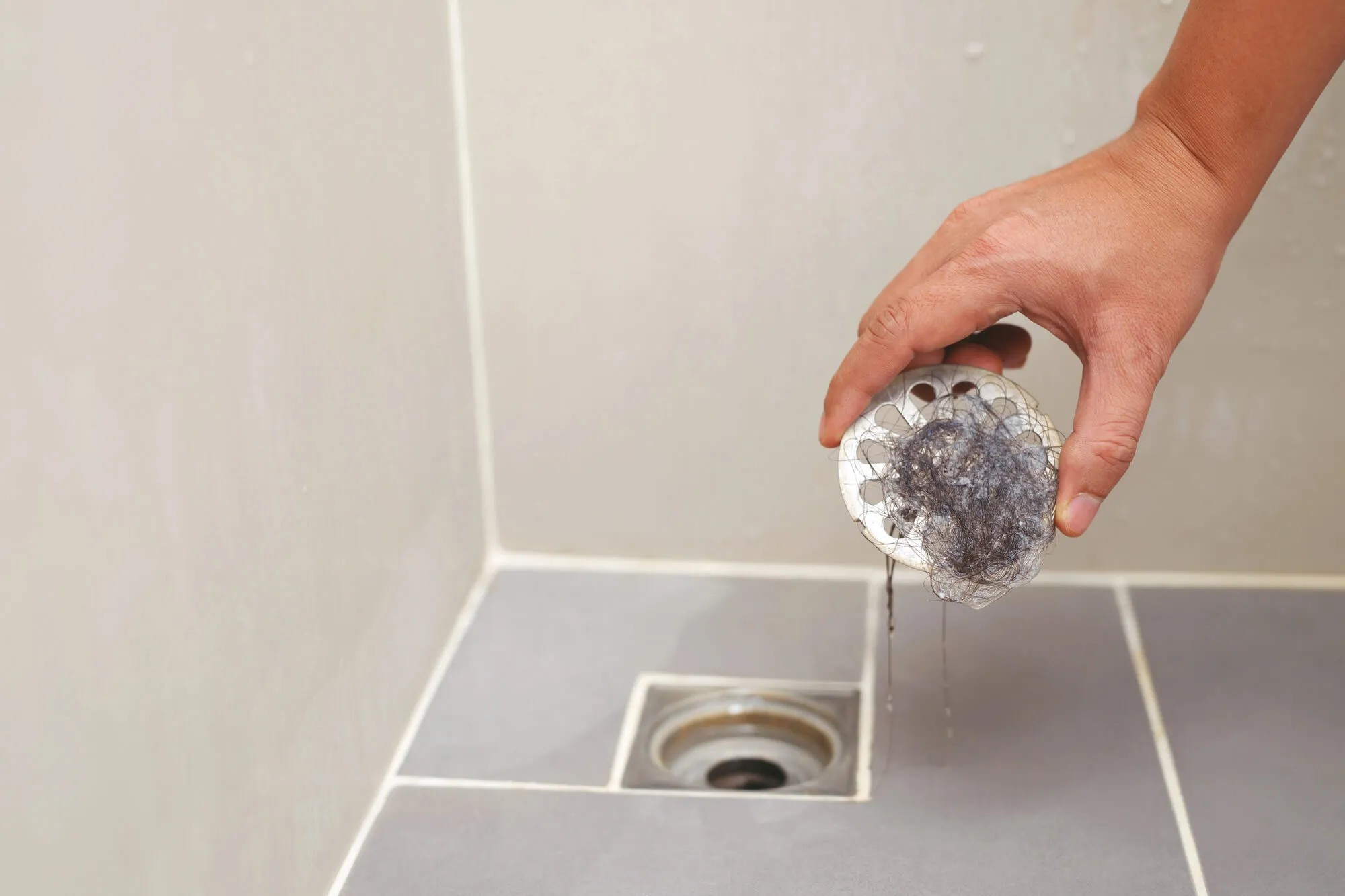
Bathroom drains frequently collect hair, soap residue, and other debris. Hot water may soften some soap residue, but it cannot make a physical mass of tangled hair disappear.
A drain screen can help catch hair before it enters the pipe. Hair near the drain opening may sometimes be physically removed with an appropriate tool.
Everyday household habits that can clog drains also influence how quickly material accumulates inside household plumbing.
Food Debris May Require Physical Clearing
Kitchen sinks can collect food particles even when a garbage disposal is present. A disposal breaks suitable food waste into smaller pieces; it does not guarantee that every particle will travel freely through the drain.
Fibrous, starchy, or other food debris can collect inside pipes, particularly when combined with grease.
Boiling water cannot reliably clear a physical mass of food. Depending on the location and severity of the blockage, mechanical clearing may be more appropriate. Keeping scraps out of the drain can reduce the amount of material entering the plumbing.
A Plunger May Help With Minor Clogs
For some localized blockages, a plunger can provide a simple first approach. The pressure created by plunging may dislodge material restricting water flow.
Use the appropriate type of plunger for the fixture. If a chemical drain cleaner has already been poured into the drain, avoid plunging because corrosive liquid could splash back.
A clog that quickly returns deserves closer attention. Recurrence may indicate that material remains inside the pipe or that another drainage problem is contributing.
Regular plumbing maintenance can also help homeowners recognise developing plumbing issues.
Be Cautious With Chemical Drain Cleaners
When boiling water does not work, a chemical drain cleaner may seem like the next logical option. These products vary in formulation and are not appropriate for every blockage or plumbing material.
Always follow product labels carefully. Never mix different drain-cleaning chemicals, as combinations can create dangerous reactions.
If you schedule plumbing service later, tell the technician which product was poured down the drain. This information matters before the plumber begins working around standing water or opens the affected plumbing.
Repeated Clogs May Point to a Deeper Problem
One slow sink may indicate a local blockage. Several slow fixtures or recurring clogs can suggest a problem farther along the drainage system.
Seattle Public Utilities explains that grease, debris, roots, and structural defects can contribute to side sewer problems.
Watch for symptoms such as:
- Several fixtures are draining slowly
- Water is backing up into another fixture
- Frequent clogs in the same drain
- Gurgling sounds
- Sewage odours
- Blockages that quickly return
These can also be signs that you need a plumber rather than another attempt at clearing the drain at home.
.webp)
Professional Drain Clearing Targets the Problem
A stubborn clog sometimes requires equipment designed to reach and clear material deeper inside the plumbing.
Professional drain cleaning services may involve drain snaking, hydro jetting, or camera inspection, depending on the problem. The appropriate method depends on the obstruction, pipe condition, and location.
When blockages repeatedly return, a sewer scope inspection can provide more information about what is happening inside the line.
Preventive habits matter as well. Seattle Public Utilities provides guidance for preventing sewer backups, including keeping grease and inappropriate materials out of household drains.
Frequently Asked Questions About Clogged Drains
Is It Safe to Pour Boiling Water Down Every Drain?
No. Plumbing systems contain different materials with different temperature tolerances. If you do not know what type of drainpipe you have, do not assume that boiling water is appropriate. Very hot water is also unlikely to help with physical obstructions such as hair or foreign objects.
Does Boiling Water Clear Grease From Pipes?
It may temporarily soften some grease, but that does not mean the grease has cleared the drainage system. Warm grease can travel farther through the pipe before cooling and accumulating again. Keeping fats, oils, and grease out of drains is a better preventive approach.
Why Does My Drain Keep Clogging After I Clear It?
A recurring clog may mean that the original blockage was only partially cleared or that buildup exists deeper inside the line. Pipe damage or other drainage problems can also contribute. Repeated problems warrant professional evaluation.
When Should I Call a Plumber?
Consider scheduling service when a blockage persists, quickly returns, affects several fixtures, causes wastewater to back up, or is accompanied by gurgling or sewage odours. These symptoms may indicate a problem that requires professional drain-clearing or inspection equipment.
.webp)
Need Professional Help to Fix a Clogged Drain in Seattle?
Boiling water may seem like an easy answer, but stubborn and recurring clogs often require a closer look at what's happening inside the drain. At Greenwood Heating & Home Services, our team brings more than a century of home-service experience to Greater Seattle, with a focus on reliable, honest service and quality workmanship. If your drain keeps slowing down or backing up, schedule plumbing service today so we can identify the problem and recommend an appropriate approach.